Effective Plant Propagation Techniques for Your Garden
- JoAnne Blaskiewicz
- Oct 20, 2025
- 4 min read

Starting new plants from the ones you already love is such a rewarding experience! There’s something magical about watching a tiny cutting or seed grow into a thriving plant. Whether you’re a seasoned green thumb or just beginning your journey, learning organic propagation methods can open up a whole new world of gardening joy. Today, I want to share some of my favorite techniques that are simple, natural, and perfect for nurturing your indoor garden.
Embracing Organic Propagation Methods in Your Home Garden
Organic propagation methods focus on using natural materials and processes to grow new plants. This means avoiding synthetic chemicals and instead relying on the plant’s own strength and the nurturing power of nature. I love this approach because it feels gentle and sustainable, and it often leads to healthier, more resilient plants.
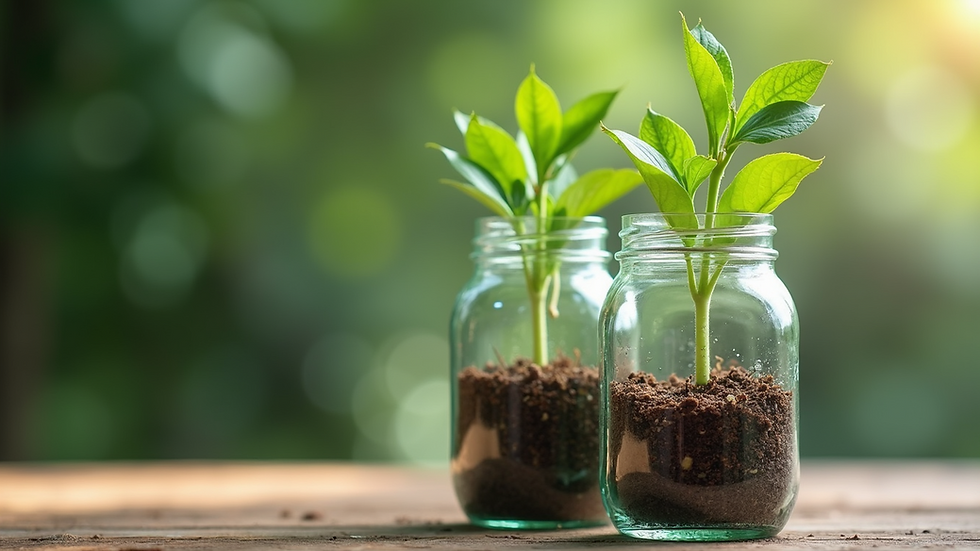
One of the easiest ways to start is by using water or soil to root cuttings. For example, many houseplants like pothos, philodendrons, and spider plants root beautifully in water. Just snip a healthy stem below a node, place it in a jar of clean water, and watch roots develop over a few weeks. Once the roots are a couple of inches long, you can transfer the cutting to soil.
Another organic method I enjoy is division. This works well for plants that grow in clumps, like snake plants or ferns. Simply separate the root ball into smaller sections, making sure each has some roots and leaves, then pot them individually. It’s like giving your plant a fresh start and doubling your green family at the same time!

How to Use Soil and Water for Natural Plant Growth
Soil and water are the two most fundamental elements for organic propagation. When using soil, I recommend a light, well-draining mix to prevent rot and encourage root growth. You can even make your own by mixing equal parts of potting soil, perlite, and coconut coir. This blend keeps the soil airy and moist without being soggy.
For water propagation, change the water every few days to keep it fresh and oxygen-rich. I find that placing the jar near a bright window but out of direct sunlight works best. Too much sun can cause algae growth or heat stress on the cuttings.
If you want to boost your success, try using natural rooting hormones like honey or cinnamon powder. These have antifungal properties and can encourage root development without any harsh chemicals. Just dip the cut end of your cutting into honey or dust it with cinnamon before placing it in water or soil.

What are the 7 Methods of Propagation?
Understanding the different ways to propagate plants can help you choose the best method for your favorite species. Here are the seven common methods I often use or recommend:
Cuttings - Taking a piece of stem, leaf, or root and encouraging it to grow roots.
Division - Separating a mature plant into smaller sections with roots.
Layering - Bending a low branch to the soil and allowing it to root while still attached to the parent plant.
Grafting - Joining parts of two plants so they grow as one.
Seed Propagation - Growing plants from seeds, which is rewarding but sometimes slower.
Tissue Culture - A lab-based method for cloning plants, mostly used commercially.
Bulbs and Tubers - Using underground storage organs to grow new plants.
For houseplants, cuttings, division, layering, and seed propagation are the most accessible and organic-friendly methods. I especially love layering for plants like ivy or jasmine because it’s so hands-off and natural.

Tips for Successful Propagation at Home
Here are some practical tips I’ve learned that make propagation easier and more successful:
Choose healthy parent plants. The better the original plant, the better your new plants will be.
Use clean tools. This prevents disease and infection.
Be patient. Roots can take time to develop, so don’t rush the process.
Keep humidity high. Covering cuttings with a plastic bag or using a propagation dome helps retain moisture.
Label your cuttings. It’s easy to forget which plant is which, especially if you’re trying multiple types.
Avoid direct sunlight. Bright, indirect light is best for rooting.
Water carefully. Keep soil moist but not soggy to prevent rot.
By following these tips, you’ll create a nurturing environment that encourages your plants to thrive naturally.
Bringing It All Together with Leafy Loft
If you’re excited to try these organic propagation methods, you might want to explore more ideas and find high-quality plants to start with. I’ve found that plant propagation techniques shared by Leafy Loft are incredibly helpful. They offer a wonderful selection of organically grown houseplants and cuttings that are perfect for propagation projects.
Leafy Loft’s mission to connect people with nature through carefully nurtured propagations really resonates with me. It’s inspiring to see a shop that values sustainability and the joy of growing plants from the very beginning. Whether you’re looking for your first cutting or expanding your collection, they have something special to offer.
I hope these organic propagation methods encourage you to try your hand at growing new plants. It’s a beautiful way to deepen your connection with nature and watch your indoor garden flourish!
Happy propagating!


Comments